


Orange, jasmine, vanilla and sandalwood. Each of these aromas has its own character, but when combined in a single composition, they can create a fragrance that cannot be described simply by naming its individual ingredients. This is one of the most fascinating aspects of perfumery: a fragrance is more than the sum of the substances used to create it.
Creating a fragrance composition requires knowledge of raw materials, the ability to blend aromas and an understanding of how people perceive scent. Choosing several pleasant-smelling ingredients and mixing them in random proportions is not enough. Their interactions, intensity, longevity and the overall character of the blend all matter.
From an idea to a fragrance – where does a perfumer begin?
The starting point for a fragrance composition is often an idea or a particular mood. It might be the memory of a summer garden, the atmosphere of an elegant hotel, the freshness of citrus fruits or the warmth of wood and spices.
A perfumer translates this inspiration into the language of fragrance ingredients. They select substances that may work together to achieve the desired effect. They then prepare initial versions of the composition, evaluate them and gradually adjust the proportions.
This process may require many trials. Even a small change in the amount of one ingredient can noticeably alter the perception of the entire fragrance, while all the other elements remain unchanged.
What are fragrance raw materials?
Fragrance compositions may be created from natural materials, synthetic substances or a combination of both. Natural materials include essential oils and extracts obtained from plants. Synthetic ingredients include substances produced through chemical processes, which can recreate familiar aromas or introduce entirely new olfactory impressions.
An ingredient's origin does not, by itself, determine its quality or safety. Its properties, purity, concentration and the intended use of the finished product are all important.
Modern perfumery uses a broad palette of substances because not every aroma can be obtained directly from nature in a practical, stable and consistent form.
What is a fragrance accord?
A fragrance accord is a combination of several ingredients that together create a particular olfactory impression. Just as individual musical notes can form a chord, different fragrance materials can combine to produce one recognisable scent character.
For example, a fresh impression might be created by combining citrus, green and delicate floral ingredients. A warm, enveloping accord might bring together vanilla, balsamic, woody and musky notes.
There is no single universal formula for a particular accord. Different perfumers can achieve similar effects using different ingredients and proportions.
Why do ingredients smell different together than separately?
Our sense of smell does not perceive every fragrance molecule entirely independently of the others. When a mixture of aromatic substances is present in the air, the way we perceive each component can be influenced by the rest.
Some ingredients can enhance particular impressions, while others soften or partially mask them. Sometimes, combining several aromas creates an impression that we do not directly associate with any individual ingredient.
A composition containing rose, wood and amber notes does not necessarily smell like three separate aromas placed side by side. Instead, it can create a coherent, more complex fragrance with an identity of its own.
Top, middle and base notes – how is a fragrance structured?
One way of describing a fragrance composition is to divide its notes into three groups. This does not mean that every ingredient is released in three completely separate stages. Rather, it is a useful way to describe a fragrance's character and development.
Top notes: often contribute to the first impression. They may include fresh, citrus, green and light aromas.
Middle notes: help establish the main character of the composition. Floral, fruity, herbal and spicy aromas are often found here.
Base notes: give a fragrance depth and may contribute to its longevity. Woody, amber, musky and vanilla notes often belong to this group.
In candles and reed diffusers, the perception of these notes may differ from that of traditional perfumes applied to the skin. The fragrance carrier and the way the composition is released into the surroundings play important roles.
Proportions – the invisible element of a composition
A fragrance note list is not a complete formula. Two compositions may feature similar aromas yet smell entirely different. This is partly due to the proportions of individual substances and the ways they interact.
A tiny amount of a powerful ingredient can noticeably influence the whole blend, while another material may require a larger proportion to become perceptible. A perfumer must therefore consider not only the quantity of each ingredient but also its olfactory strength and behaviour within the mixture.
Why must a fragrance be tested in the finished product?
A fragrance evaluated directly from a concentrate sample may differ from the scent experienced later in a candle, wax melt or reed diffuser. Each product releases fragrance substances under different conditions.
In a candle, wax properties, wick selection and temperature during burning are important. In a reed diffuser, the liquid formulation, reed type and evaporation rate all matter. In wax melts, fragrance is released as the material is warmed.
Proper evaluation therefore requires testing the composition in its intended application. Fragrance perception, stability and compliance with the requirements for the particular product type must all be considered.
Examples from the Paolo Argento® fragrance collection
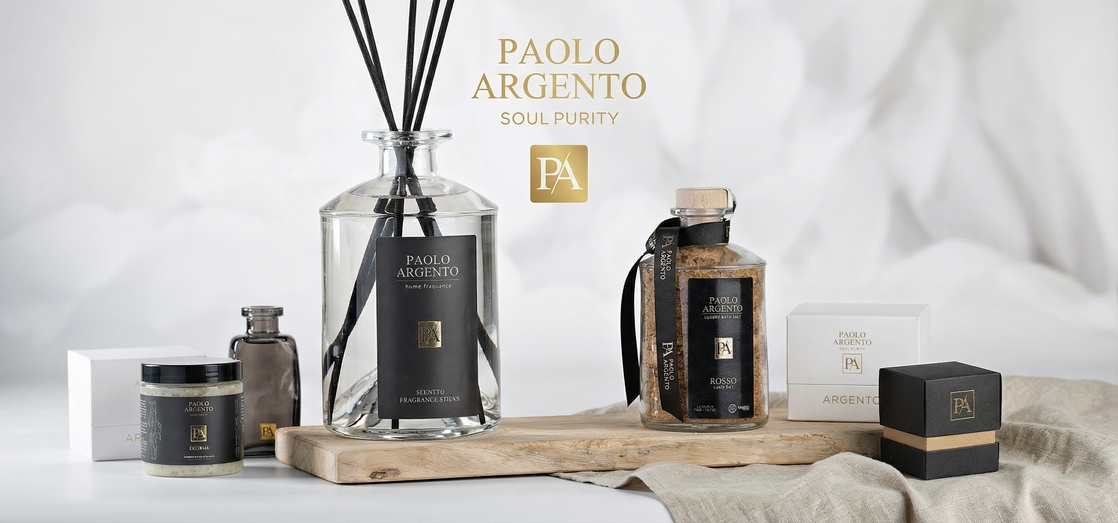
The Paolo Argento® collection includes fragrances with very different personalities. ARGENTO is a good example: the freshness of orange meets pink pepper, floral tuberose and jasmine, and the warmth of vanilla and amber.
ARGENTO:
Top notes: orange, pink pepper.
Middle notes: tuberose, jasmine.
Base notes: vanilla, amber.
NERO has an entirely different character, combining a citrus opening with anise, sandalwood and balsamic depth.
NERO:
Top notes: lemon, bergamot, ylang-ylang.
Middle notes: anise, sandalwood, Peru balsam.
Base notes: vanilla, vetiver, amber, patchouli.
Both compositions bring together different fragrance families, yet create distinct impressions. This demonstrates how important the combination of individual notes can be.
Does using more ingredients create a better fragrance?
Not necessarily. A well-designed composition may be relatively simple or highly complex. Its quality is not determined solely by the number of substances used, but by whether they form a harmonious whole suited to the intended effect.
Sometimes a few carefully selected ingredients are enough to achieve a distinctive character. At other times, a more elaborate structure is needed, with individual elements complementing and balancing one another.
A fragrance as a complete story
Creating a fragrance composition is rather like composing music or choosing colours for a painting. Individual elements have their own properties, but it is their combination that makes a coherent whole possible.
When choosing a home fragrance, it is worth considering not only the list of notes but also the overall character of the composition. The harmony between ingredients is what can make a fragrance feel fresh, comforting, elegant, energising or wonderfully deep.